Stormwater runoff is the rain or melting snow that does not soak into the ground, but instead flows over the land until it reaches storm drains or waterways. As we develop buildings, parking lots, and roads, we create more impervious surfaces that prevent water from soaking into the ground. The more impervious surfaces we have, the more stormwater runoff is created every time it rains. When stormwater flows across the land, it picks up various pollutants such as fertilizers, pesticides, road salts, and sediment and carries them into our waterways. Stormwater is considered the primary way that pollution enters our streams, rivers, lakes, and ponds and reducing stormwater runoff is one way that we can reduce water pollution.
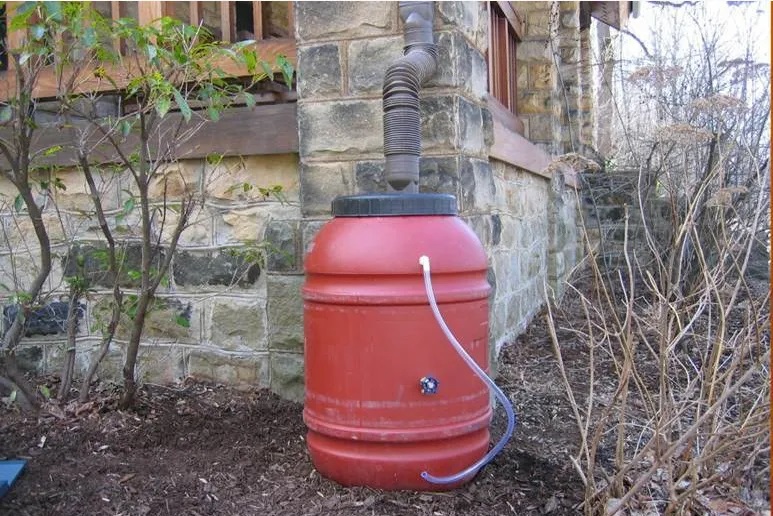
A rain barrel is a container that is used to collect rainwater for later use. Rain barrels are connected to a home's downspout to capture the water flowing off of a roof, to reduce the amount of stormwater during a rainstorm. The water that's collected can be used later on for watering gardens, trees, and lawns or for other outdoor uses such as washing cars and cleaning windows. In this way, rain barrels are a great tool for both conserving water and reducing the volume of stormwater runoff. In this webinar, you will learn more about how using rain barrels helps improve water quality, homeowner benefits to installing a rain barrel, things you need to build and install your own rain barrel, as well as how to maintain your barrel over time.
- Teacher: Joshua Burleigh